
Ask any seasoned Big Lapper their top tip for a smooth trip and you’ll hear it: get your tyre pressures right. Whether you’re cruising the highway, tackling sandy tracks, or bouncing along corrugated outback roads, tyre pressures make all the difference to safety, comfort, and how long your tyres last. Too hard and you’ll rattle your rig to bits. Too soft and you risk blowouts or getting bogged.
This guide breaks down what pressures to run for different conditions, how to adjust safely, and what gear makes the job quick and painless.
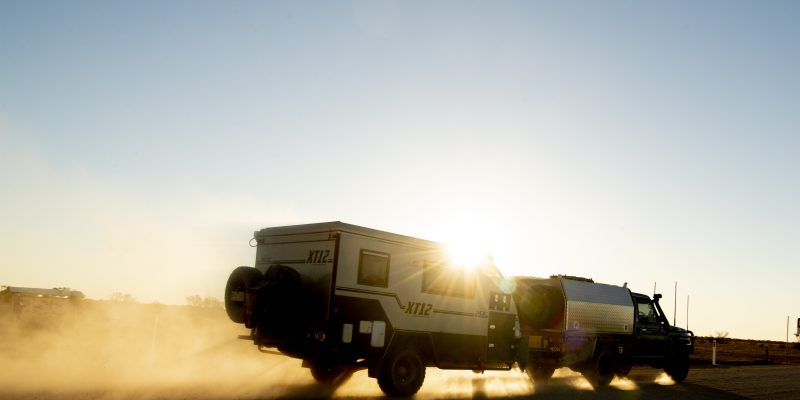
The figures here are general guidelines. Always check your vehicle handbook, tyre sidewalls, and adjust based on load, conditions, and experience.
Why Tyre Pressure Matters
- Safety: Correct pressures improve grip, braking, and handling.
- Comfort: Softer tyres absorb corrugations and bumps.
- Tyre Life: Over- or under-inflation causes uneven wear and heat build-up.
- Fuel Economy: Right pressures reduce rolling resistance on highways.
Highway Driving
On sealed roads, you’ll generally run the manufacturer’s recommended pressures (usually found on the driver’s door jamb). For a fully loaded tow vehicle and caravan, this often means:
- Tow vehicle: 36–42 PSI (varies by model and load)
- Caravan: 40–50 PSI (check compliance plate or tyre sidewall)
Stick to the recommended range for stability and tyre life. Over-inflating to “save fuel” can reduce grip and make the ride harsh.
Sand Driving
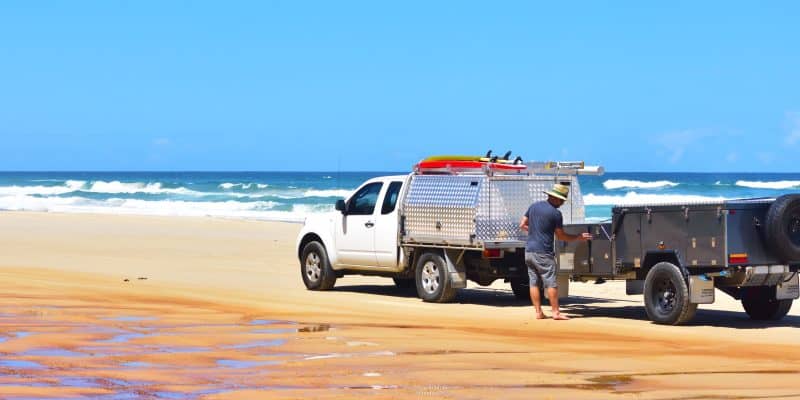
Soft sand is where tyre pressures really earn their keep. Dropping pressures increases your tyre’s footprint, helping you float over instead of digging in.
- Tow vehicle: 16–22 PSI (lighter rigs can go lower; heavy ones stay higher)
- Caravan: 18–25 PSI (if towing off-road; otherwise leave van behind!)
Lower pressures before you hit the sand, not after you bog. Keep momentum steady, avoid sharp turns, and don’t gun it.
Carry a quality compressor — you’ll need to air back up as soon as you hit harder ground.
Corrugated Roads
Australia’s outback corrugations can shake your fillings out and wreck your gear. Dropping pressures slightly lets tyres flex and absorb the punishment.
- Tow vehicle: 26–32 PSI
- Caravan: 30–35 PSI
Adjust speed too: slower is usually better, but sometimes maintaining steady momentum over corrugations is smoother than crawling. Experiment within safe limits.
Softer tyres generate more heat. Stop regularly to check sidewalls for warmth and inspect for damage.
Tools & Gear You’ll Want
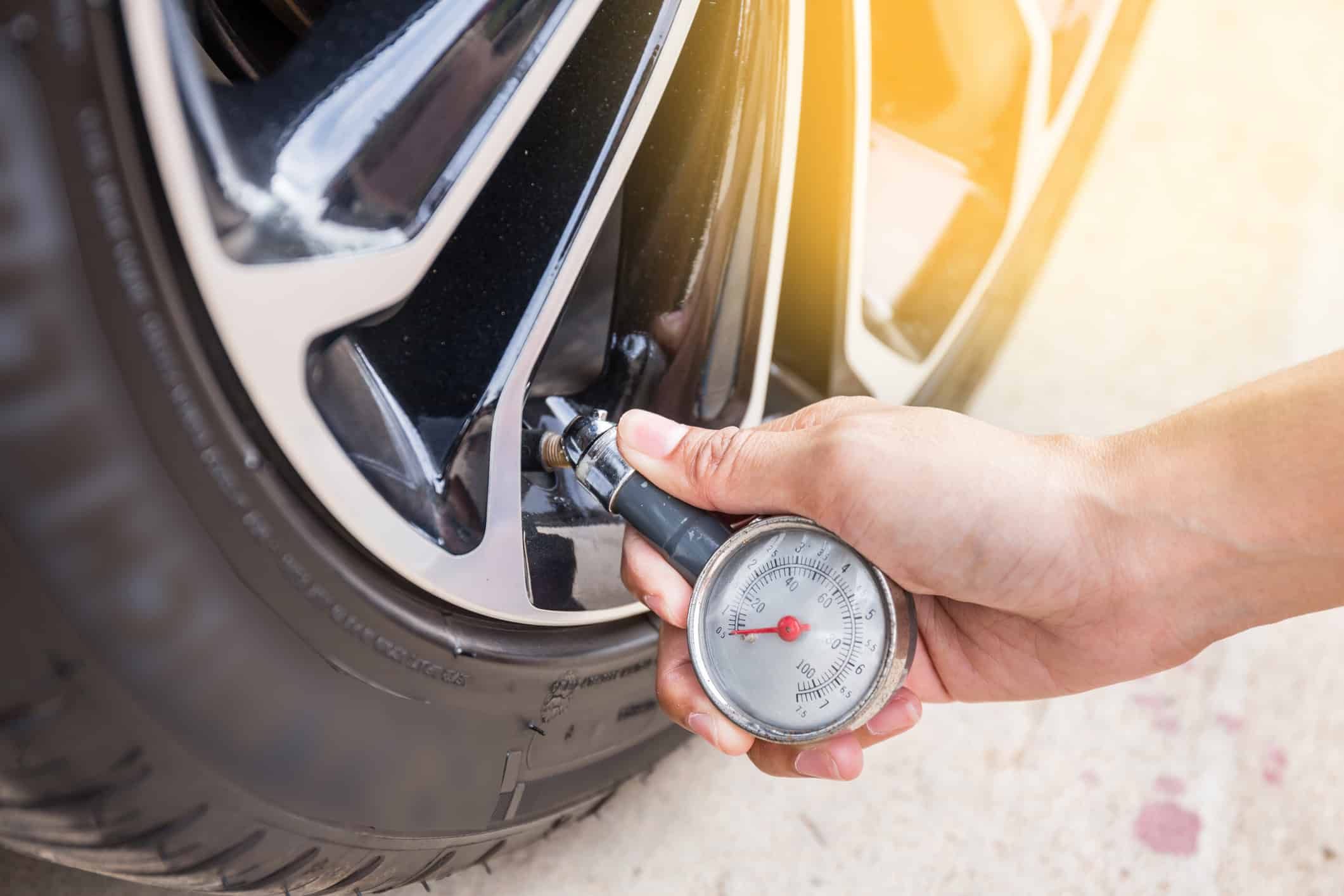
- Quality tyre gauge: Digital or analogue, but accurate and easy to read.
- Portable air compressor: Essential for reinflating after sand or dirt tracks.
- Deflator tool: Makes dropping pressures fast and precise.
- TPMS (Tyre Pressure Monitoring System): Keeps an eye on temps and pressures in real time, especially handy when towing.
As Neil D. notes: “TPMS are really only good to alert you to slow leaks but for a shredded tyre or blowout they’re useless.” Don’t rely on them for catastrophic failures.
Common Mistakes to Avoid
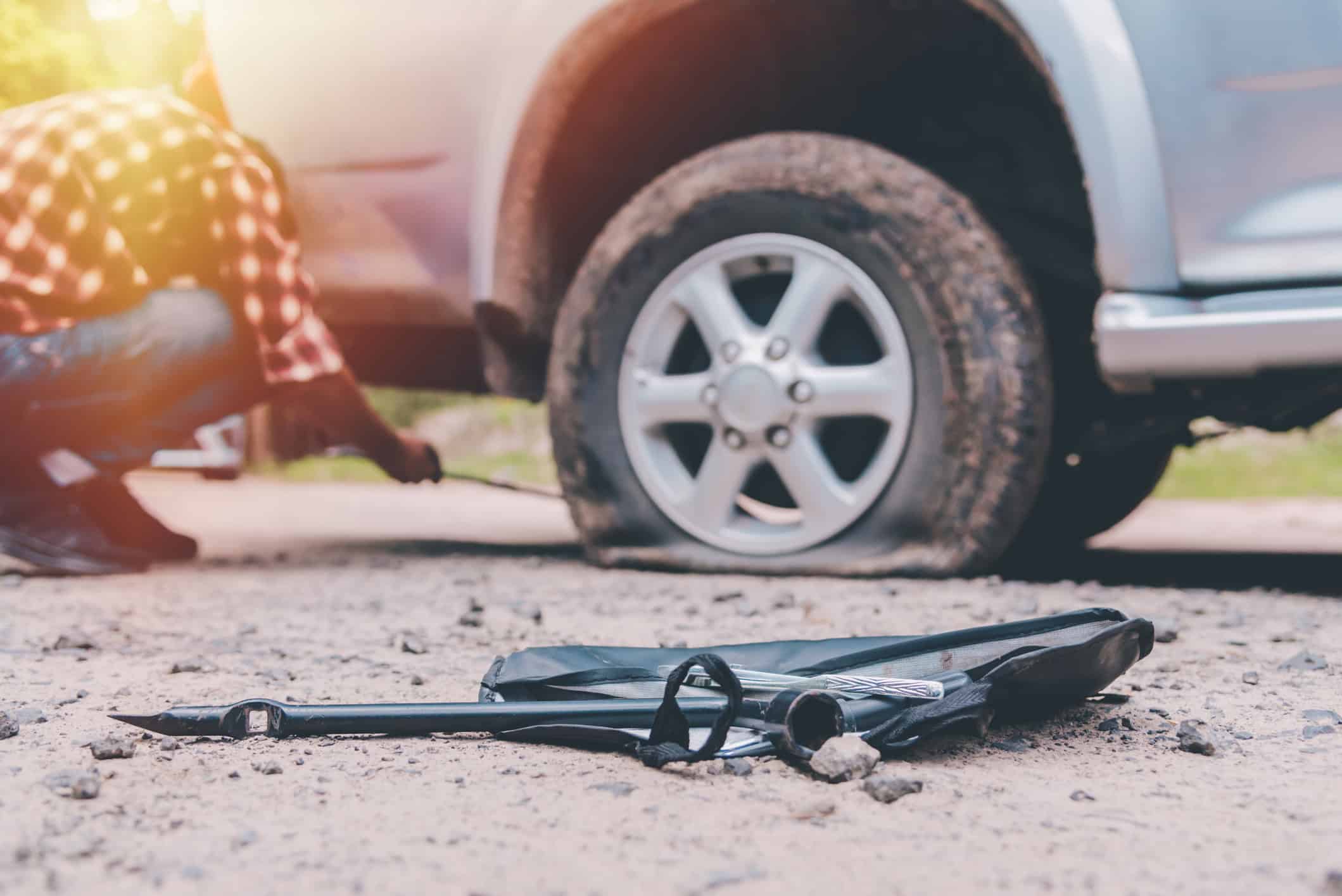
- Running highway pressures on corrugations — leads to harsh ride and tyre damage.
- Dropping too low on sand without lowering speed — risks rolling the tyre off the rim.
- Forgetting caravan tyres — the van bounces just as much as your tow vehicle.
- Not reinflating after sand — running 18 PSI at highway speeds is a recipe for disaster.
- Neglecting spare tyre pressure — check it regularly as part of your routine maintenance.
Quick Reference Cheat Sheet
| Condition | Tow Vehicle (PSI) | Caravan (PSI) |
|---|---|---|
| Highway (sealed) | 36–42 | 40–50 |
| Sand (soft) | 16–22 | 18–25 |
| Corrugations (gravel) | 26–32 | 30–35 |
Frequently Asked Questions
How low is too low on sand?
Most rigs are safe down to ~16 PSI, but below that you risk popping a bead. Always match pressure to load.
Do I need to drop pressures on gravel roads?
Not always. If it’s smooth, stick with highway settings. If it’s rough/corrugated, drop slightly as outlined.
Should caravan tyres match the tow vehicle?
Not necessarily. Caravans carry static loads differently. Follow compliance plate and adjust for terrain.
Tyre pressures aren’t “set and forget.” Adjust for the surface under your wheels and you’ll travel safer, smoother, and save your tyres in the process. Always carry the right tools to adjust pressures quickly and check them regularly.
Comment (0)